Friday, July 21, 2017

Understanding the Causes and Symptoms of Alzheimer’s

Over 5 million Americans are living with Alzheimer’s; it is the 6th largest cause of death in the United States. Not only is this a common disease among the elderly, more than 15 million Americans provide unpaid care for loved ones with Alzheimer’s or other types of dementia, which adds up to an estimated 18.2 billion hours of care, valued at over $230 billion (during 2016; according to the Alzheimer’s Association).


If you think your loved one may be exhibiting signs of dementia, read some facts about Alzheimer’s and dementia below, and consider seeking medical advice.


About the Disease

  • Dementia is the term for a general decline in mental ability that is severe enough to interfere with daily activities.
  • Alzheimer’s is a common form of dementia; a specific disease affecting the brain and causing memory loss.
  • Alzheimer’s is not the only cause of memory loss. Many people have trouble with memory, but this does not necessarily signal Alzheimer’s. It is best to have a doctor’s opinion about your particular case.
  • Alzheimer’s happens in the brain and is a result of plaques and tangles of deposited proteins in and around nerve cells. Some of this happens naturally with age, but in patients with Alzheimer’s, it is more advanced, particularly around the areas of the brain used for memory.
  • Early onset Alzheimer’s affects people younger than 65 (most often those in their 40’s and 50’s). There are an estimated 200,000 Americans with early onset Alzheimer’s. See your doctor for more information and an evaluation.

Diagnosis

Only a doctor can diagnose Alzheimer’s. It is not diagnosed with one test; instead, the doctor will conduct a thorough medical examination, a neurological exam, and other mental and mood testing. This interactive tour will help you know what to expect when being evaluated for memory problems.


Treatment

Although there isn’t a cure for Alzheimer’s, medications and other treatments can help with symptoms and improve the quality of life of those suffering from the disease. Find more resources through the Alzheimer’s Association or with your doctor.


In addition, Minnesota offers community resources to help those with Alzheimer’s, and has tips for creating a dementia-friendly community. Read more about this initiative and the ACT on Alzheimer’s Dementia Friendly Community Toolkit.


Thursday, June 22, 2017

Muscatine Summertime Events and Fun

There are a lot of events in Muscatine this summer – something for everyone to have fun! Attend a festival, listen to live music, see a baseball game, or visit the farmer's market. Taking advantage of the local community events will help you get the most out of staying at our Lutheran Living senior campus. Join in for one of these great summertime events!

adult-1868032_640.jpg

Live Entertainment

If you enjoy live entertainment, Muscatine boasts many options for you to catch a show. Our community theater, Pearl City Players, is thriving; maybe you would even consider being in a production? If you enjoy live music, you cannot miss the symphony orchestra. They host a free public concert on July 4th. Other performing arts groups can be found here, including school choirs, orchestras, bands, and theaters.

circus-2094021_640.jpg

Fun Festivals

What would summer be if you did not attend a festival? Muscatine holds an annual Independence Day celebration rivaled by few. Starting the day with a pancake breakfast, enjoying the afternoon listening to live music performances, watching the 5:00 pm parade, and staying up late for the fireworks will make your holiday one you will never forget. If you do not enjoy the big crowds, consider joining for Second Saturday instead. Second Saturday is a once a month arts and music street festival held in historic downtown from 5-8 pm on the second Saturday of every month; June through October! Lastly, the Muscatine County Fair lasts from July 19th-23rd and has a plethora of activities to enjoy, even a car race and talent show!

With all these options to attend events in Muscatine, there is no reason to stay cooped up inside this summer. Join the community and find the right event for your preferences. Muscatine offers the best in summertime events and fun.

Friday, April 28, 2017

It Is Not a Myth; Your Body Can Feel When the Weather Changes

Growing older often brings wisdom, sensitivity to weather, and joint pain. These things are seemingly unrelated, but they aren't. According to the latest research, people who experience joint pain can actually feel weather changes in their bodies. You probably know someone who swears they know before it will rain because they “feel it in their bones.” Perhaps you suffer from rheumatoid arthritis and know the sensation. Let's explore the reasoning behind why this happens.

drop-of-water-909130_640.jpg

Barometric Pressure Changes

As the weather changes, it affects the barometric pressure. Barometric pressure is the weight of the atmosphere pressing down on the Earth – the air pressure. As the weather changes from a low pressure to a high-pressure system, our atmosphere often creates storms as a result. The shift in barometric pressure not only affects the air pressing down on the Earth, it affects the air pressing down on you. This is why you can feel pain in your joints as the air pressure changes with a shift in the weather. As a storm strengthens in the atmosphere throughout a day, so can your level of joint pain.

shutterstock_566470942.jpg

Pain Relief

Even though you cannot change the weather, there are some things you can do to provide relief when suffering from joint pain. WebMD suggests that keeping warm and dressing in layers is a good way to prevent heightened joint pain from changing weather. A very effective solution is to stay limber with mild to moderate exercise, especially during cold or damp weather. Try stretching to prepare your joints before stepping outdoors. Cleveland Clinic even recommends water exercise because working out in a warm pool is a great way to strengthen your joints and loosen stiff muscles.


Now you know it is not a myth to feel heightened pain when the weather changes. That feeling in your bones isn’t in your imagination; blame it on barometric pressure. To combat its force on your joints, don’t forget to exercise, dress warm, and impress your grandchildren with your meteorologist skills.

Thursday, March 30, 2017

Five Fun Facts about Muscatine, Iowa

Lutheran Living Senior Campus is a part of the Muscatine, Iowa community and we couldn’t be more proud. Muscatine has a unique atmosphere and history compared to any other city that makes it a great home for our seniors.


Here are the five most unique fun facts about Muscatine and its history:


Muscatine_IA.jpg
Image by Wikimedia - Public Domain

How Muscatine got it’s Name


Muscatine is unique in that it is a city whose name is not shared with any other – either in the U.S. or the world. The origins of the name are still debated by historians. Many believe that the name comes from the Mascoutin Native American tribe who were the original caretakers of this area of land in the 18th century. It is said that the name Mascoutin means ‘fiery nation’.

The Pearl Button Capital of the World

shutterstock_225874750.jpgButtons on high-end fashion jackets and shirts used to be made from pearl, and few people know that Muscatine used to be the largest producer of pearl buttons in the world. Creating 37% of the entire world’s button supply, Muscatine would produce 1.5 billion buttons annually until the industry fell to the development and mass production of plastic buttons. However, the history of their pearl button production earned Muscatine the title of the Pearl Button Capital of the World and the city slogan “Pearl of the Mississippi”. Check out the Muscatine Pinterest page for more information on the pearl button making process.

mark-twain-391112_640.jpg

Mark Twain and the Muscatine Journal

Muscatine is especially proud of one of its most prominent residents, Mark Twain. Twain spent a summer here in Muscatine in 1855 where he wrote for The Muscatine Journal, our local newspaper, and revered at the sunsets over the Mississippi. In Twain’s book, Life on the Mississippi, he writes, “And I remember Muscatine—still more pleasantly—for its summer sunsets. I have never seen any, on either side of the ocean, that equaled them.”

Ben Hershey and the Lumber Industry

Screen Shot 2017-03-24 at 10.12.37 AM.pngLumber and woodworking have continually been major industries in the Muscatine area. One of the early businessmen in this industry was multimillionaire Ben Hershey who was known as the “Lumber King”. When Lutheran living was first founded, he owned much of the land in the Muscatine area. The Reinemund family, Lutheran Living’s Founders, reached out to Hershey when the time came to build a facility. After his death, his family granted the Reinemund family their summer home which sat on five acres of land. With renovations, this became the site where Lutheran Living currently resides.

A Foodie’s Haven along the Mississippi

Present day Muscatine is home to a wide variety of restaurants, cafes, and bars making it a great place for dining. From Thai to Mexican to Italian, Muscatine offers it all in terms of food choices and is a perfect place to take the family for dinner. Our top restaurant choices are Salvatore’s Risorante, Boonie’s On the Avenue, and Tantra Thai Bistro.


There is a rich history in Muscatine, and Lutheran Living is proud to be a part of it. To learn more about our history, read one of our older blogs, Compassionate Care and Service: A History of Lutheran Living.


Monday, January 23, 2017

Transitional Care Center at Lutheran Living: Progressive Short-Term Rehabilitation

Transitional Care Center.jpg

The new Transitional Care Center at Lutheran Living is working to bridge the gap between hospital and home. Our state-of-the-art facility will provide you with the care you need on your transition back home after a hospitalization. There are so many things to love about our new facility, from the excellent staff to the comfortable, hotel-like rooms. Let us tell you more about the care you can expect from Lutheran Living's Transitional Care Center.

The Goals of Lutheran Living
The goal of the Transitional Care Center is to rehabilitate you so you can get back home and back to the life you had before you were hospitalized. We offer many therapies to expedite reinstating your health: physical, occupational, speech, respiratory, nutrition counseling, and HUR rehabilitation equipment. Through these methods, we reduce emergency department visits and rehospitalizations, promoting better health and peace of mind.

Therapeutic Options
Besides our progressive therapy techniques, we also provide a knowledgeable and understanding staff. The team includes registered and licensed nurses, certified nursing assistants, medical directors, social workers, dieticians, therapy specialists, and chaplains. We specialize in many different areas of rehabilitation, including cardiac, orthopedic, and neurological issues. For a more comprehensive list, visit our website. We are well equipped to help you.

Accommodations
At the Transitional Care Center, we also have luxurious rooms that will make you feel completely at home during your stay. More like a hotel than a nursing home, your private room is complete with furnishings, a refrigerator, cable TV, a phone, and internet access. You will be served three meals a day in the dining room and have the opportunity to make new friends with the other residents. We strive to provide a positive and enjoyable environment for everyone who stays with us.

After a major surgery or lengthy hospitalization, you might not feel back to your old self quite as quickly as you hope. Think of the Transitional Care Center as a place that has everything needed to get you back up on your feet. Your plan for care (and, ultimately, discharge) starts the day you come to us. We want to see you transition from the hospital to a healthy state of mind, body, and being so you can return home.

If you are curious to know more, we strongly encourage you to view our testimonial videos of others who have enjoyed their time at Lutheran Living's Transitional Care Center.  

Tuesday, December 20, 2016

Spreading the Christmas Spirit to Seniors

Spreading Christmas Cheer.jpg


The Christmas season is a joyous time of the year where people spend time with the ones they love. For seniors, sometimes their loved ones have passed away or they don’t get to spend as much time as they would like with their busy families. There are certain ways you can help make the holiday season a more festive one for seniors living on their own.


Spend Time with Them
For one, find the time to spend with them. Showing that you care by visiting them during Christmas goes a long way. Spending a day with them, taking them out to eat or taking them shopping will certainly brighten their spirits. Having them stay overnight, if able, can mean a lot to them. If you’re not able to spend time with them on Christmas Eve or Christmas Day, go to their residence before the holidays.
shutterstock_81585055.jpg
Play a Game or Do an Activity Together
When you visit, bring some activities with you. Playing cards or a board game can be two great activities while you spend time together. Take interest in some of their interests. Have you ever wanted to learn how to sew? Or maybe you still can’t quite master the perfect way to tie a fishing hook. The senior in your life would likely love to teach you.


shutterstock_218542420.jpg
Getting The Perfect Gift
Everybody knows when you give a gift to someone, it shows how much you care about them. However, getting a unique gift for a senior can be important. If there are important pictures in an album that your senior has, putting them into frames to preserve their memories can be a great gift. Anything you can find around their room to help preserve a memory as a gift can be meaningful to them.


Maybe the best thing you can do for the senior you love is to bring them to church. Connecting with your loved one in a church setting during Christmas can mean a lot to you and them.


At Lutheran Living, we provide compassionate care and services in order to address the individual healthcare needs of the resident community. We encourage families to spend as much time with their loved ones who live at our campus as they can during Christmas.


Lutheran Living wishes everyone a blessed holiday season.

Monday, November 14, 2016

Compassionate Care and Service: A History of Lutheran Living

church.png
With a vibrant and rich history in service and compassionate giving, Lutheran Living Senior Campus has evolved from a small coalition of neighbors caring for one another to expansive senior living facilities serving Muscatine, Iowa. In order to see the evolution of care, let us learn more about the history of Lutheran Living:

harry reinemund.png
The Early Days of Lutheran Living
After immigrating to America, German-born Henry Reinemund was originally ordained at a Lutheran Ministry in Davenport. He resigned from Zion Lutheran Church in Muscatine and began caring for orphaned children and the elderly in 1895. Alongside his wife, Sophia Weltz, and their eight children, Pastor Reinemund began running a facility to help those in need. The Reinemund family would lead the facilities for 23 years.

In search of a bigger facility, the Reinemund family got in touch with the Hershey family. Multimillionaire Benjamin Hershey, known as the ‘Lumber King,’ owned the land on which Lutheran Homes is now located. Hershey was one of the first men in America to ship blooded cattle from Europe to his farm and creamery.

After his death, Hershey’s wife, Elizabeth, and daughter, Myra, donated their summer home and five acres of land to the Reinemund family. After extensive renovations, the new facilities included a school, kitchen, dining hall, and rooms for orphaned children and elderly residents. The facility would later accommodate a chapel that welcomed worship, baptisms, confirmations, marriage vows, and more. The Reinemund family would come to run the facility–affectionately named Lutheran’s Orphans and Old Folks Home–for over 23 years.
children.png
In 1921, a new school was built behind the Hershey home to accommodate growing minds. Desiring continuing education for orphaned children, classes were held in the basement of the orphanage until 1922.

Under New Ownership
After the death of Pastor Reinemund and his wife, leadership fell to Reverend Charles L. Ramme in 1918. In his first year, Reverend Ramme saw the end of World War 1 and initiated the ringing of the Hershey Home bell tower after it had been left silent for many years. After a plight of influenza endangered the Ramme family in 1919, Reverend Klein and his family took over leadership in 1921 and remained there for 20 years.

Reverend Elmer Nicholsen took up the post at the end of 1941 and served the children and elderly, resigning because of the difficult times brought on by WWII. He returned to the parish ministry in Hammond Indiana. Reverend Lawrence Stumme was them called to the position. As the orphaned children grew into young adults, the care services and education program evolved into many phases before being phased out by the mid-1960s. The focus of the home switched primarily to elderly care, a community in which Lutheran Home still compassionately serves.
aged and children.png

Lutheran Living Today
Today, the mission of Lutheran Living Senior Campus is to provide compassionate care and services in order to address the individual healthcare needs of the resident community. Our full-time chaplain leads the support of Christian worship in the Faith Chapel with weekly Bible study, daily devotionals, memorial services, monthly Catholic Mass, weekly communion services, pastoral visits to those hospitalized and much more.

While Lutheran Living has evolved in form and leadership, the mission of providing compassionate spiritual care has remained the utmost priority. To learn more about our modern services, visit Lutheran Living today.  


Wednesday, September 14, 2016

The Benefits of Working in the Healthcare Industry


Are you looking to explore a career that will deliver fantastic opportunities and personal fulfillment? A career in the health industry can deliver that and so much more.
doctor-563428_640.jpgEnjoy Job Opportunities
With over 13 million jobs in the continually-growing healthcare industry, there will be a variety of job opportunities available to you. With advances in medicine, new health reform legislation, a rapidly expanding population, and longer life expectancies, healthcare professional will find no shortage of interesting opportunities. With a career in the healthcare industry, you will benefit from better job security and stability.
Ensure Job Satisfaction
There are numerous opportunities for high earning potential, upward mobility, great working conditions, employee benefits, and specialization around every corner. You will never find yourself stuck in a position or unable to relocate, work your way up, or try something new in the healthcare field.

i_header_2-1-2-1_care_homes_hammersmith584.jpg
Gain Fulfillment from Helping Others
In the healthcare industry, you have the opportunity to impact patients’ lives in a meaningful and important ways. From helping to bring new life into the world, treating painful and debilitating illnesses and conditions, easing the pain of a terminal illness, and so much more, you have the power to better the lives of individuals, families, and communities—what could be more fulfilling?

Explore Opportunities for all Experiences and Backgrounds.
With such a diverse array of health industry options, there are interesting options at every corner, whether you have a Ph.D. or a high school diploma. With a variety of educational levels and life experience, every individual can bring a wide breadth of knowledge to the table.
Experience Exciting Work
Don’t enjoy sitting at a desk all day, staring at a computer or talking on a phone? The nature of a health industry career can be exciting, adrenaline-inducing, fast-paced, and consistently different. With new patients and new medical innovations occurring daily, there’s never a dull moment.

If you are looking for a new, fulfilling career, look no further than the healthcare industry. For more information on the careers available at Lutheran Living Senior Campus, visit our employment page You can also visit our Volunteer page to learn more about opportunities to connect with Lutheran Living residents.

Thursday, August 11, 2016

Why Seniors Prefer Living in Care Centers

For many seniors and their families, the decision of choosing between healthcare facilities and remaining at home can be a difficult one. Assisted living facilities, however, offer plenty of opportunity and more freedom for seniors than ever before. Read on for more information on the benefits of living in senior care centers:


Better Social Opportunities
For seniors who live on their own, it can be lonely and isolating. Assisted living facilities offer ample opportunities for seniors to socialize with peers, meet new friends, and develop new relationships. With opportunities including socials, field trips, and organized activities, there is sure to be no shortage of exciting and stimulating events to enjoy.


Concentration on Physical Activity and Health
Assisted living facilities and care centers offer opportunities for physical fitness and activity that may be more difficult to come by at home. Many care centers offer gyms, fitness equipment, and personal trainers, and even more living facilities offer group exercise classes like Tai Chi, Zumba, and aerobics to fit in both physical activity and social time.


elderly-1012602_640.jpg


A Focus on Nutrition
Seniors can benefit from living in a care center with well-trained nurses and nutritionists who can help keep a focus on nutrition and health. For seniors who don’t know or unable to cook for themselves, supervised nutrition can help provide a healthy and nutritious regular diet for the changing needs of a senior.

Household Duties are Completed
The day-to-day responsibilities that can fall to the wayside or to family caregivers are all taken care of at senior living facilities. The majority of these typical household duties—housekeeping, garden tending, social and health appointments, transportation—are taken care of by the senior living facilities. This can lift a great burden from the senior and the senior’s loved ones.
With assisted living facilities, the greatest benefit is the independence that seniors can regain. Assisted living centers encourage seniors to seek new opportunities, discover a higher quality of life, and give seniors the tools to care for themselves. For more information on assisted living facilities, visit Lutheran Living.

Thursday, July 7, 2016

Hobbies for Assisted Living

Seeking out activities that enrich each day can make those in assisted living lead a meaningful life. Exploring new hobbies can spark new interests, help those in assisted living develop new social connections, and lead to better mental, emotional, and physical health. Take a glance at some new hobbies to explore below:

secateur-1412518_640.jpg

Tend to a Garden

Gardening at any age is healthy and therapeutic, and there is a real sense of accomplishment that comes with nurturing a garden full of vegetables, flowers, or herbs. Gardening can also encourage relaxation, positivity, and motor skills.

Play Games

Brain games like crossword puzzles, brain teasers, and Sudoku are stimulating and encourages the brain to focus and forge connections. Participate in other stimulating hobbies like book clubs, journaling, writing workshops, and discussion groups.

knitting-925080_640.jpg


Make Homemade Goods

To exercise muscle mobility, take up sewing, needlepoint, knitting, or crocheting. Create items for friends and family. Donate homemade goods to hospitals, animal shelters, or churches, or sell them on Etsy or at local flea markets, and craft shows.

Participate in Arts and Crafts

Art is all about self-expression. Help the senior in your life rediscover their creative interests or discover new ones like painting, scrapbooking, and more.


Engage in Low-impact Aerobic Exercises

Exercising can improve vitality, endurance, strength, flexibility, circulation, and reduce the risk of many diseases for anyone. Depending on ability, participate in swimming, golf, yoga, meditation, and simple stretches. Many sports and exercises can be easily adapted dependent on ability and interest.

Socialize

Socializing has been shown to decrease the risk of depression and high blood pressure, and socializing strengthens relationships and improves mental and emotional health. Engage in games and regular conversations and social hours with friends and family. Participating in group classes like dance workshops is an excellent activity for socializing and exercising. It improves balance, mobility, and flexibility. And it’s fun!

There are many hobbies that those in assisted living can take up and enjoy. From enjoying old hobbies to developing new ones, engaging with new interests will help seniors increase connections and improve their quality of life. For more information on addressing the health care needs of the senior in your life, visit Lutheran Living.

Friday, April 22, 2016

The Importance of Staying Socially Connected In Your Golden Years

As you get older and retire and/or move to a new community, it is important to stay as socially connected as you were in your younger days. Since you are not heading to an office or getting out of the house as often, you could be missing out on important social interactions that can help you to stay healthy. Staying socially active and maintaining interpersonal relationships can encourage you to maintain good physical and emotional health and cognitive function. Below a few good examples of the benefits of staying socially connected in your golden years.

NursingHome_SlideShow.jpg

Reduce Mental Health Risks. Communicating regularly with your peers helps prevent mental health issues such as low cognitive function and depression. When you stay socially connected, your brain is stays engaged, your mind stays sharp, and the risk of memory loss is reduced. It also is a great way to reduce stress levels in day-to-day life. The interactions produce a sense of belonging, which prevents feelings of isolation that could cause depression.

Provide A Support System. When you communicate with individuals who are going through a similar situation as you, you’ll find it is easier to go through it together than alone. When you have a support system, you are able to have more information and thoughtful conversations by engaging with different individuals in the community.
GTY_elderly_people_happy_mar_140630_31x13_1600.jpg

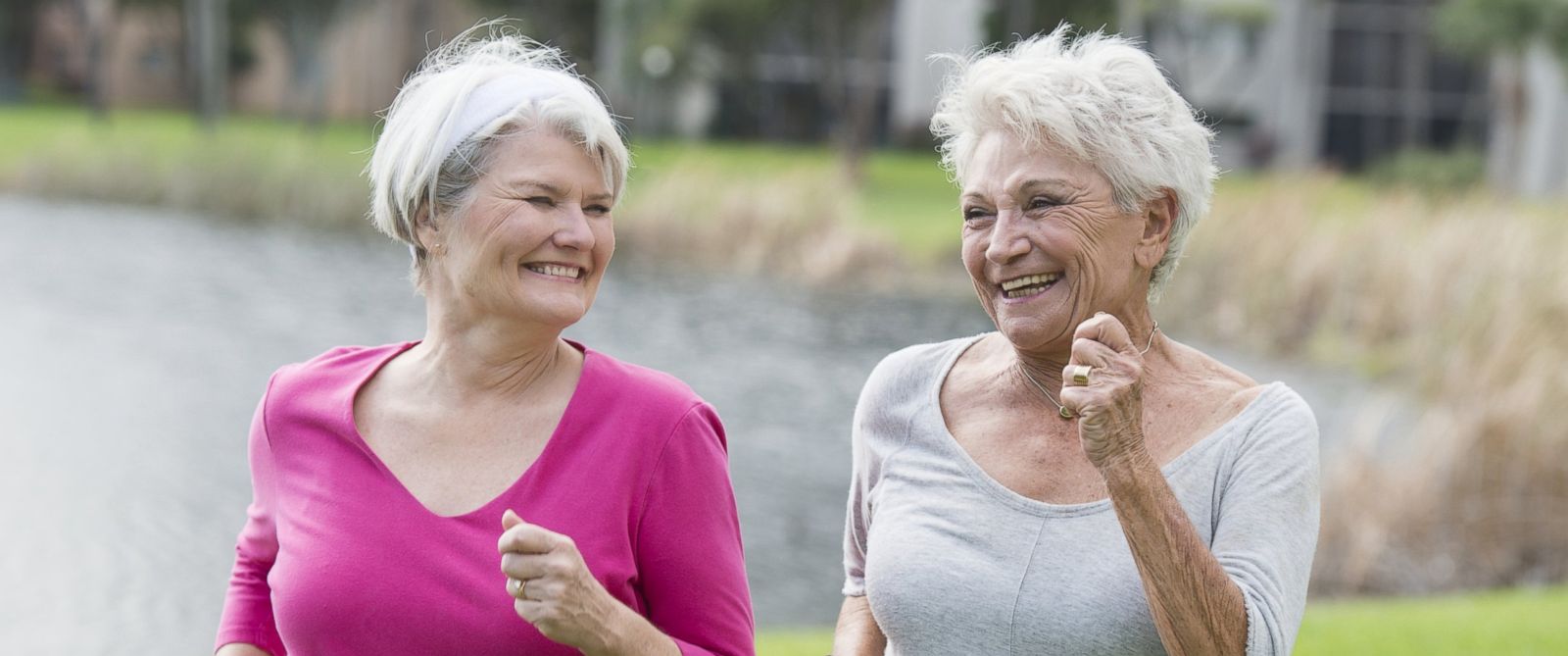
Maintain Physical Activity. The great thing about staying socially connected as you get older is that most social things you do with your peers require physical activity. Getting out of the house more often will improve your immune system and nutrition levels. A few examples of ways to stay socially active as you get older include:

- Join a gym. Not only does physical activity keep your body healthy but it also allows you to stay socially active. There are a variety of gyms and organizations you can join. Silver Sneakers, for example, is an exercise program for active older adults.

- Volunteer in your community. A more meaningful way to stay socially active would be to volunteer in your community. For example, you can volunteer at a local food shelf. Many churches have a local food shelf helping out less fortunate families in the community. If you love animals, volunteering at a humane society would not only benefit the animals but also your disposition.

- Go to church. If you were active in your church and found it meaningful before, continuing that experience - even if it’s in a new place of worship - is vital. Church can provide you with a place to make new friends, gather for social events and expand on your personal and spiritual growth. Keeping that connection to your faith can help with your happiness and overall well-being. If you haven’t been active in your church, you may find that it is a good way to meet new people and become active within the church community. It can give you a sense of direction, purpose, and accountability - that you are important and needed.

Staying young at heart and in your mind, body and soul is a goal everyone (even the young) should strive toward. Just because you are older doesn’t mean you can’t do most everything you’ve done in the past. Staying active, volunteering, worshipping, and socializing are more important now than ever to keep living a fulfilled life - the life you deserve!

Friday, March 4, 2016

Staying Involved With Your Loved One In A Nursing Home

When a family member moves to a nursing home, it is important to stay involved in their life. More than 1.4 million people 65 and older live in nursing homes, and sadly, almost half of those individuals do not have regular visitors. For families of nursing home residents, there are several things you can do to keep your resident involved with the family after they have entered a nursing home.

dependent-441408_640.jpg

Regular Visits
One of the greatest ways to keep your loved one involved with the family after moving into a nursing home is visiting regularly with different family members. This gives your loved one something to look forward to. Visiting regulations in nursing homes are very flexible so it is easy to make time in your schedule to visit your loved ones. You can also determine whether your loved one is receiving the proper care in their nursing home environment.

Schedule Different Visits at Different Times
This gives you the opportunity to bring different family members with you during different times of the day. You can also work other family members’ visits around their schedules and keep your loved one excited and anticipating the next visit. For example, you may choose to bring children in the afternoon and adults at night - it all depends on what you think is appropriate for your loved one and your family.

Call the Nursing Home
talking-560318_640.jpgThis is another alternative if you do not live close to the nursing home, but it is still a good option for communicating with your loved one even if you live close by. A short call to check in on the resident is a small gesture that shows that you are thinking of them. Speaking with a nurse to check up on how the resident is doing is important as well. If your loved one has a computer, teach them to use a service like skype and set up times to video chat with them.

Go to Nursing Home Events
Most nursing homes schedule events that family members can attend. Take advantage of these events and bring other family members along. This gives you a chance to spend time with your loved one in a different setting. Make sure to ask a nurse for an event calendar so you don’t miss an event.

letters-867688_1280.jpgSend Letters and Pictures
This is especially important if you live far away from your loved one’s nursing home. This is a great alternative to keeping your loved one involved with the family. In this fast-paced, computer-age world, it can seem easier to send a text or an email, but hand-written letters are much more personal and will be treasured much more. Sending detailed letters about family updates and attaching pictures of your family is a great way to show the resident that you have not forgotten about them.

Staying involved in your loved one’s life after they enter a nursing home is beneficial for your loved one and yourself. Remember, being involved will ensure that your loved one is getting their needs met. If you have any questions regarding nursing homes and what they offer, visit our website at Lutheran-living.org.

Thursday, February 25, 2016

The Importance of Physical Activity for Senoirs

The importance of.jpg

All throughout our lives, we are told that physical activity is good for us. As we get older, the complications from ignoring this advice begin to catch up with our health. Maybe you are starting to notice some health concerns and are thinking “I should have done more physical activity when I was younger.” Well, the truth is it is not too late. Physical activity is very important to incorporate into your daily life, especially for older adults. Here are just some of the benefits seniors can receive from physical activity:

It helps prevent health problems that come with aging. Physical activity will reduce health risks such as heart disease, cancer, and strokes. Exercise slows down your body’s aging by helping your body feel and look younger - it’s a key factor in longevity.

It provides health benefits. Physical activity gives you a better range of motion, balance, flexibility, and strength. Having physical activity present in your life allows you to grow stronger and do daily activities on your own. It allows you to keep your independence in your daily activities rather than asking others for help.

It is a great way to manage stress. Physical activity has been proven multiple times to be a great way to reduce stress. It also helps with managing moods. Depression and anxiety have been said to decrease when physical activity is incorporated in an individual’s daily life.


It helps maintain healthy bones, muscles, and joints. Having healthy bones, muscles, and joints are very important as an individual gets older. Physical activity helps keep all three of these aspects in our body healthy and strong to prevent further complications down the line.

It helps individuals maintain or lose weight. This is one of the obvious benefits physical activity provide,s but it is just as important. Having a healthy weight for your specific body type helps keep everything else in the body healthy and reduces health risks.

It improves sleep. As we get older, we tend to sleep less at night, and it can be difficult to get a good night of sleep. Physical activity provides individuals with better sleep habits such as falling asleep quickly and sleeping deeply.

It is good for the brain. Yes, it is true - physical activity helps your brain. It gives you better multi-tasking skills and creativity in your day-to-day life. It also helps prevent memory loss, cognitive decline, and Alzheimer’s disease.

Now that you know all the benefits physical activity can provide for you as you get older, it is time to get motivated. First, figure out what type of physical activity you want to incorporate into your daily life and start off slow. Most importantly, find what fits best for you and enjoy the process.