Thursday, July 7, 2016

Hobbies for Assisted Living

Seeking out activities that enrich each day can make those in assisted living lead a meaningful life. Exploring new hobbies can spark new interests, help those in assisted living develop new social connections, and lead to better mental, emotional, and physical health. Take a glance at some new hobbies to explore below:

secateur-1412518_640.jpg

Tend to a Garden

Gardening at any age is healthy and therapeutic, and there is a real sense of accomplishment that comes with nurturing a garden full of vegetables, flowers, or herbs. Gardening can also encourage relaxation, positivity, and motor skills.

Play Games

Brain games like crossword puzzles, brain teasers, and Sudoku are stimulating and encourages the brain to focus and forge connections. Participate in other stimulating hobbies like book clubs, journaling, writing workshops, and discussion groups.

knitting-925080_640.jpg


Make Homemade Goods

To exercise muscle mobility, take up sewing, needlepoint, knitting, or crocheting. Create items for friends and family. Donate homemade goods to hospitals, animal shelters, or churches, or sell them on Etsy or at local flea markets, and craft shows.

Participate in Arts and Crafts

Art is all about self-expression. Help the senior in your life rediscover their creative interests or discover new ones like painting, scrapbooking, and more.


Engage in Low-impact Aerobic Exercises

Exercising can improve vitality, endurance, strength, flexibility, circulation, and reduce the risk of many diseases for anyone. Depending on ability, participate in swimming, golf, yoga, meditation, and simple stretches. Many sports and exercises can be easily adapted dependent on ability and interest.

Socialize

Socializing has been shown to decrease the risk of depression and high blood pressure, and socializing strengthens relationships and improves mental and emotional health. Engage in games and regular conversations and social hours with friends and family. Participating in group classes like dance workshops is an excellent activity for socializing and exercising. It improves balance, mobility, and flexibility. And it’s fun!

There are many hobbies that those in assisted living can take up and enjoy. From enjoying old hobbies to developing new ones, engaging with new interests will help seniors increase connections and improve their quality of life. For more information on addressing the health care needs of the senior in your life, visit Lutheran Living.

Friday, April 22, 2016

The Importance of Staying Socially Connected In Your Golden Years

As you get older and retire and/or move to a new community, it is important to stay as socially connected as you were in your younger days. Since you are not heading to an office or getting out of the house as often, you could be missing out on important social interactions that can help you to stay healthy. Staying socially active and maintaining interpersonal relationships can encourage you to maintain good physical and emotional health and cognitive function. Below a few good examples of the benefits of staying socially connected in your golden years.

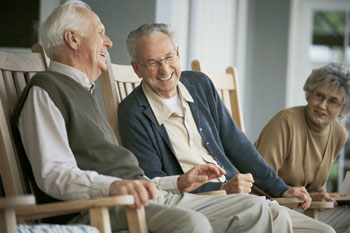
NursingHome_SlideShow.jpg

Reduce Mental Health Risks. Communicating regularly with your peers helps prevent mental health issues such as low cognitive function and depression. When you stay socially connected, your brain is stays engaged, your mind stays sharp, and the risk of memory loss is reduced. It also is a great way to reduce stress levels in day-to-day life. The interactions produce a sense of belonging, which prevents feelings of isolation that could cause depression.

Provide A Support System. When you communicate with individuals who are going through a similar situation as you, you’ll find it is easier to go through it together than alone. When you have a support system, you are able to have more information and thoughtful conversations by engaging with different individuals in the community.
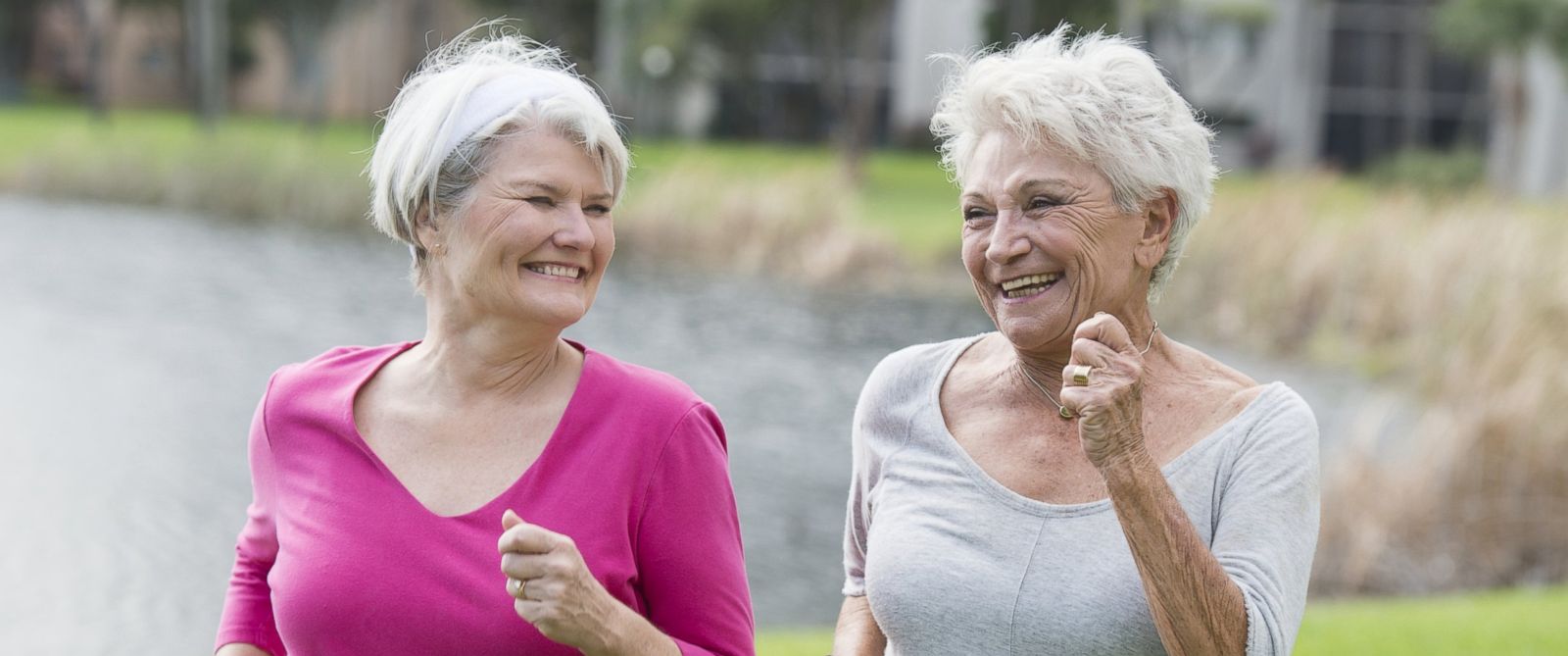
GTY_elderly_people_happy_mar_140630_31x13_1600.jpg

Maintain Physical Activity. The great thing about staying socially connected as you get older is that most social things you do with your peers require physical activity. Getting out of the house more often will improve your immune system and nutrition levels. A few examples of ways to stay socially active as you get older include:

- Join a gym. Not only does physical activity keep your body healthy but it also allows you to stay socially active. There are a variety of gyms and organizations you can join. Silver Sneakers, for example, is an exercise program for active older adults.

- Volunteer in your community. A more meaningful way to stay socially active would be to volunteer in your community. For example, you can volunteer at a local food shelf. Many churches have a local food shelf helping out less fortunate families in the community. If you love animals, volunteering at a humane society would not only benefit the animals but also your disposition.

- Go to church. If you were active in your church and found it meaningful before, continuing that experience - even if it’s in a new place of worship - is vital. Church can provide you with a place to make new friends, gather for social events and expand on your personal and spiritual growth. Keeping that connection to your faith can help with your happiness and overall well-being. If you haven’t been active in your church, you may find that it is a good way to meet new people and become active within the church community. It can give you a sense of direction, purpose, and accountability - that you are important and needed.

Staying young at heart and in your mind, body and soul is a goal everyone (even the young) should strive toward. Just because you are older doesn’t mean you can’t do most everything you’ve done in the past. Staying active, volunteering, worshipping, and socializing are more important now than ever to keep living a fulfilled life - the life you deserve!

Friday, March 4, 2016

Staying Involved With Your Loved One In A Nursing Home

When a family member moves to a nursing home, it is important to stay involved in their life. More than 1.4 million people 65 and older live in nursing homes, and sadly, almost half of those individuals do not have regular visitors. For families of nursing home residents, there are several things you can do to keep your resident involved with the family after they have entered a nursing home.

dependent-441408_640.jpg

Regular Visits
One of the greatest ways to keep your loved one involved with the family after moving into a nursing home is visiting regularly with different family members. This gives your loved one something to look forward to. Visiting regulations in nursing homes are very flexible so it is easy to make time in your schedule to visit your loved ones. You can also determine whether your loved one is receiving the proper care in their nursing home environment.

Schedule Different Visits at Different Times
This gives you the opportunity to bring different family members with you during different times of the day. You can also work other family members’ visits around their schedules and keep your loved one excited and anticipating the next visit. For example, you may choose to bring children in the afternoon and adults at night - it all depends on what you think is appropriate for your loved one and your family.

Call the Nursing Home
talking-560318_640.jpgThis is another alternative if you do not live close to the nursing home, but it is still a good option for communicating with your loved one even if you live close by. A short call to check in on the resident is a small gesture that shows that you are thinking of them. Speaking with a nurse to check up on how the resident is doing is important as well. If your loved one has a computer, teach them to use a service like skype and set up times to video chat with them.

Go to Nursing Home Events
Most nursing homes schedule events that family members can attend. Take advantage of these events and bring other family members along. This gives you a chance to spend time with your loved one in a different setting. Make sure to ask a nurse for an event calendar so you don’t miss an event.

letters-867688_1280.jpgSend Letters and Pictures
This is especially important if you live far away from your loved one’s nursing home. This is a great alternative to keeping your loved one involved with the family. In this fast-paced, computer-age world, it can seem easier to send a text or an email, but hand-written letters are much more personal and will be treasured much more. Sending detailed letters about family updates and attaching pictures of your family is a great way to show the resident that you have not forgotten about them.

Staying involved in your loved one’s life after they enter a nursing home is beneficial for your loved one and yourself. Remember, being involved will ensure that your loved one is getting their needs met. If you have any questions regarding nursing homes and what they offer, visit our website at Lutheran-living.org.

Thursday, February 25, 2016

The Importance of Physical Activity for Senoirs

The importance of.jpg

All throughout our lives, we are told that physical activity is good for us. As we get older, the complications from ignoring this advice begin to catch up with our health. Maybe you are starting to notice some health concerns and are thinking “I should have done more physical activity when I was younger.” Well, the truth is it is not too late. Physical activity is very important to incorporate into your daily life, especially for older adults. Here are just some of the benefits seniors can receive from physical activity:

It helps prevent health problems that come with aging. Physical activity will reduce health risks such as heart disease, cancer, and strokes. Exercise slows down your body’s aging by helping your body feel and look younger - it’s a key factor in longevity.

It provides health benefits. Physical activity gives you a better range of motion, balance, flexibility, and strength. Having physical activity present in your life allows you to grow stronger and do daily activities on your own. It allows you to keep your independence in your daily activities rather than asking others for help.

It is a great way to manage stress. Physical activity has been proven multiple times to be a great way to reduce stress. It also helps with managing moods. Depression and anxiety have been said to decrease when physical activity is incorporated in an individual’s daily life.


It helps maintain healthy bones, muscles, and joints. Having healthy bones, muscles, and joints are very important as an individual gets older. Physical activity helps keep all three of these aspects in our body healthy and strong to prevent further complications down the line.

It helps individuals maintain or lose weight. This is one of the obvious benefits physical activity provide,s but it is just as important. Having a healthy weight for your specific body type helps keep everything else in the body healthy and reduces health risks.

It improves sleep. As we get older, we tend to sleep less at night, and it can be difficult to get a good night of sleep. Physical activity provides individuals with better sleep habits such as falling asleep quickly and sleeping deeply.

It is good for the brain. Yes, it is true - physical activity helps your brain. It gives you better multi-tasking skills and creativity in your day-to-day life. It also helps prevent memory loss, cognitive decline, and Alzheimer’s disease.

Now that you know all the benefits physical activity can provide for you as you get older, it is time to get motivated. First, figure out what type of physical activity you want to incorporate into your daily life and start off slow. Most importantly, find what fits best for you and enjoy the process.